The Beautiful Game
In this edition: The World Cup, moral philosophy, and a baby owl

Musings
Many years ago, when my son, Sawyer, was about five, we signed him up to play soccer in a local recreational league. This being his first every foray into organized sports, and he being our first child, we were excited to stand on the sidelines and cheer enthusiastically every time he touched the ball. But as we soon learned, youth leagues, no matter the sport, never have enough volunteers, so I was the recipient of numerous mass emails begging for people to step up. Despite not having touched a soccer ball since I was a kid, I offered myself up and coached the team.
It was, as it turns out, the beginning of a long love affair with the sport. I continued to coach Sawyer’s teams for the next decade, forcing myself to learn more about the nuances of the game as the kids got older, better, and more mature. I began watching professional soccer, morphing from a casual fan into the kind of person who puts soccer matches on his personal calendar. I’ve even made some attempts to play in pick-up games, although these have mostly ended in embarrassment and injury.
What is it about soccer? It’s a wonderful combination of both science and poetry. On one hand, soccer is a very tactical sport: with almost no positions established by the game, teams can set up in any number of formations and alignments; there are well-drilled principles of play, positional assignments, ball progression patterns, and set-piece strategies; and aside from baseball, there is no sport that has more embraced the world of advanced statistics.
On the other hand, when all of the above is executed well, it looks effortless and natural, a real thing of beauty. Watching 11 highly skilled players working in something like a flow state—quick passes, coordinated movements, a preternatural awareness of the position of teammates—is as awe-inspiring as witnessing a murmuration of starlings. Just watch the first goal in the clip below and then prepare to spend a lot of time watching the others:
Of course, the kids I’ve coached didn’t look like that (these are some of the world’s most elite players, after all), but when you drill them on the principles, every now and then they execute something—a particularly delectable string of passes, an advanced awareness of space, a satisfying defensive collapse to suffocate an opponent—and you start to understand why they call it the beautiful game.
I’m talking about soccer because we’re in the midst of the world’s greatest sporting event, the World Cup, which, if you’re reading this in North America, is probably happening in a city near you. For more than a month, all the great soccer nations (including maybe this one??) and all the world’s best players will come together to play against one another. There will be triumphs, there will be upsets, but above all, there will be beauty. So do yourself a favor and fall in love.
Curation
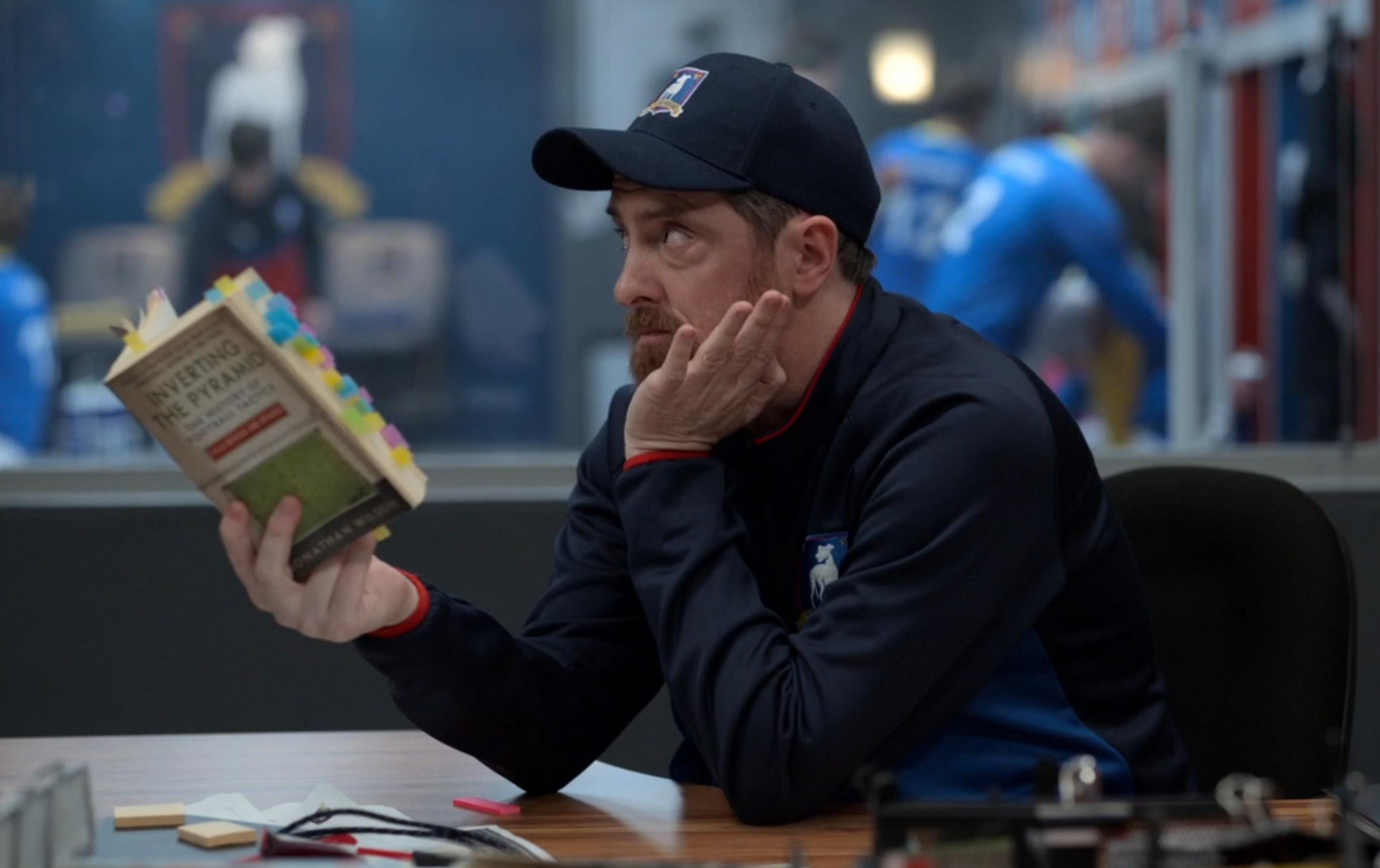
I’ve given some soccer-themed recommendations here before, but if you want to go deeper, Inverting the Pyramid: The History of Soccer Tactics by Jonathan Wilson is a great overview of how approaches to the game have changed over the years. It was clearly influential to Coach Beard and probably had some influence on AFC’s Richmond’s embrace of total football.
As for non-soccer recommendations, I recently enjoyed How to Be Perfect: The Correct Answer to Every Moral Question by Parks & Recreation and The Good Place creator Michael Schur. It’s a funny and easily digestible overview of different schools of moral philosophical thought. Not as funny, but just as enjoyable, were Michael Pollan’s A World Appears: A Journey into Consciousness and C. Thi Nguyen’s The Score: How to Stop Playing Someone Else’s Game.
When it comes to music, I have really been into Masquerade, the debut album from the Irish band The Cardinals. You have to love a band that features an accordion so prominently.
Happenings
In the (long) gap between dispatches, my full-length collection, The Hours, turned a year old! I’m so thankful for everyone who’s read it, shared it, and showed it some love. If you haven’t read it yet, grab yourself a copy.
Speaking of The Hours, a review of it, written by Tara Propper, appeared in the 2026 edition of Presence: A Journal of Catholic Poetry, alongside works from a long list of fantastic poets. A brief excerpt:
Although this collection chronicles the process of reaching toward the light of the otherworldly, it also explores with great candor and depth the sinking and ticking pull of the worldly, which counts and quantifies, measures and mourns the mortality of man. For Andrews, time is not a passive setting cue but an active participant in the poetics of being.
Over the last year or two, I’ve been pretty lax about submitting poetry, but I’m trying to get back into it, and as a result, I have a few new poems out, if you are inclined to read them. First off, I am thrilled to appear for a second time in LETTERS with a poem I am quite fond of (“The Train”). I’ve also got new poems up at Spirit Lake Review (“I’ve Grown Accustomed to a Certain Lifestyle”) and the forthcoming 2026 print edition of my alma mater’s Penumbra (“Sundown Sippers”). Lastly, I will also be appearing in the forthcoming inaugural edition of Theopneustos Magazine, but they were kind enough to share my poem as a sort of preview, so I will leave that for you here.
The latest edition of In the Image, my quarterly column on faith and the arts, saw me get a little vulnerable as I talked about the concept of mythos and the consistent lack of it in our (and my) faith.
I also had a micro piece of travel prose, based on my journey to Iraq back in the fall of 2010, go up recently for the “Reflections” issue of Panorama: The Journal of Travel, Place and Nature.
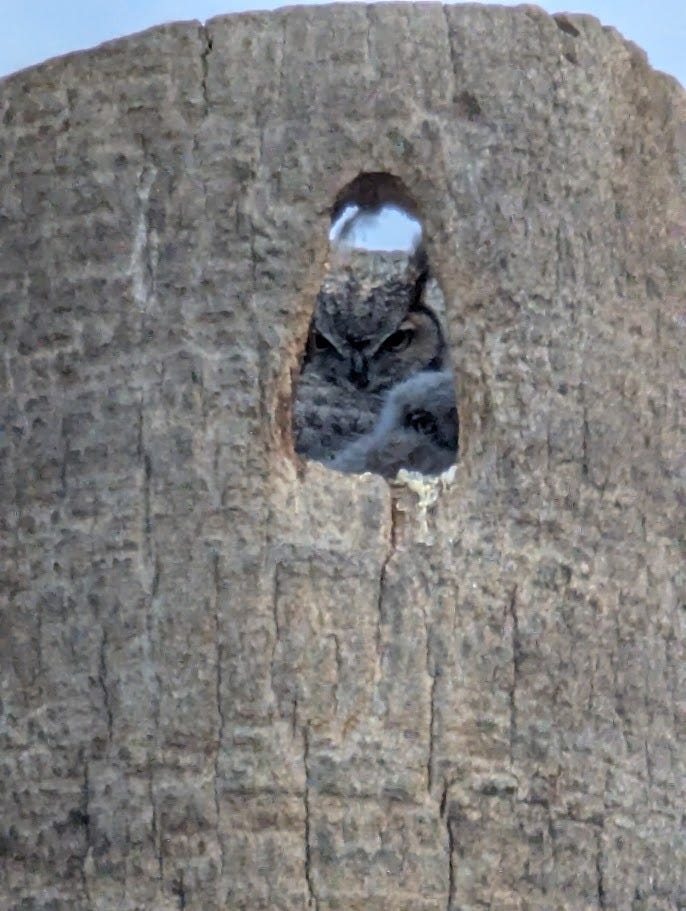
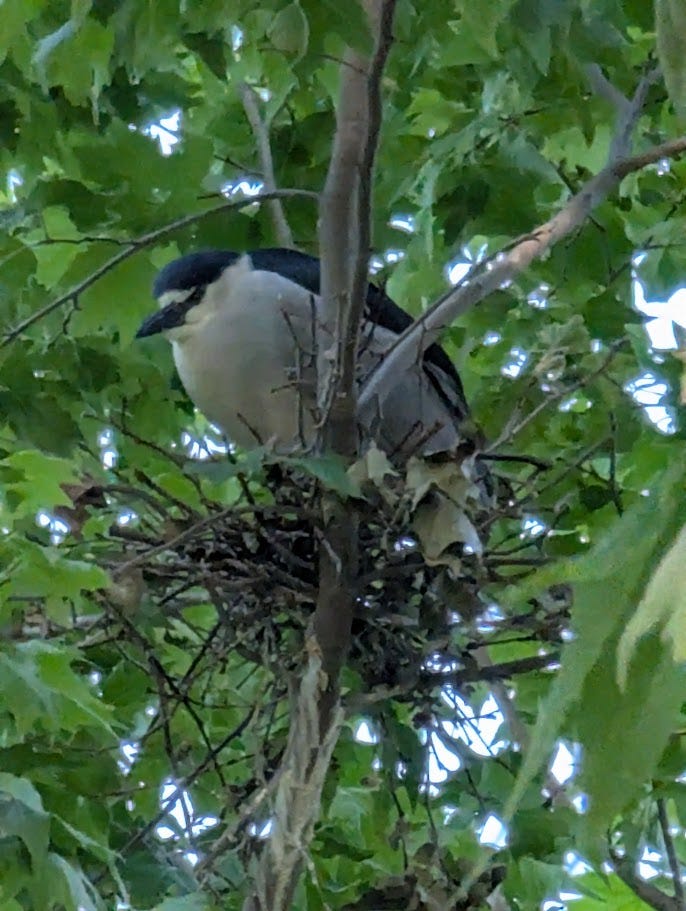
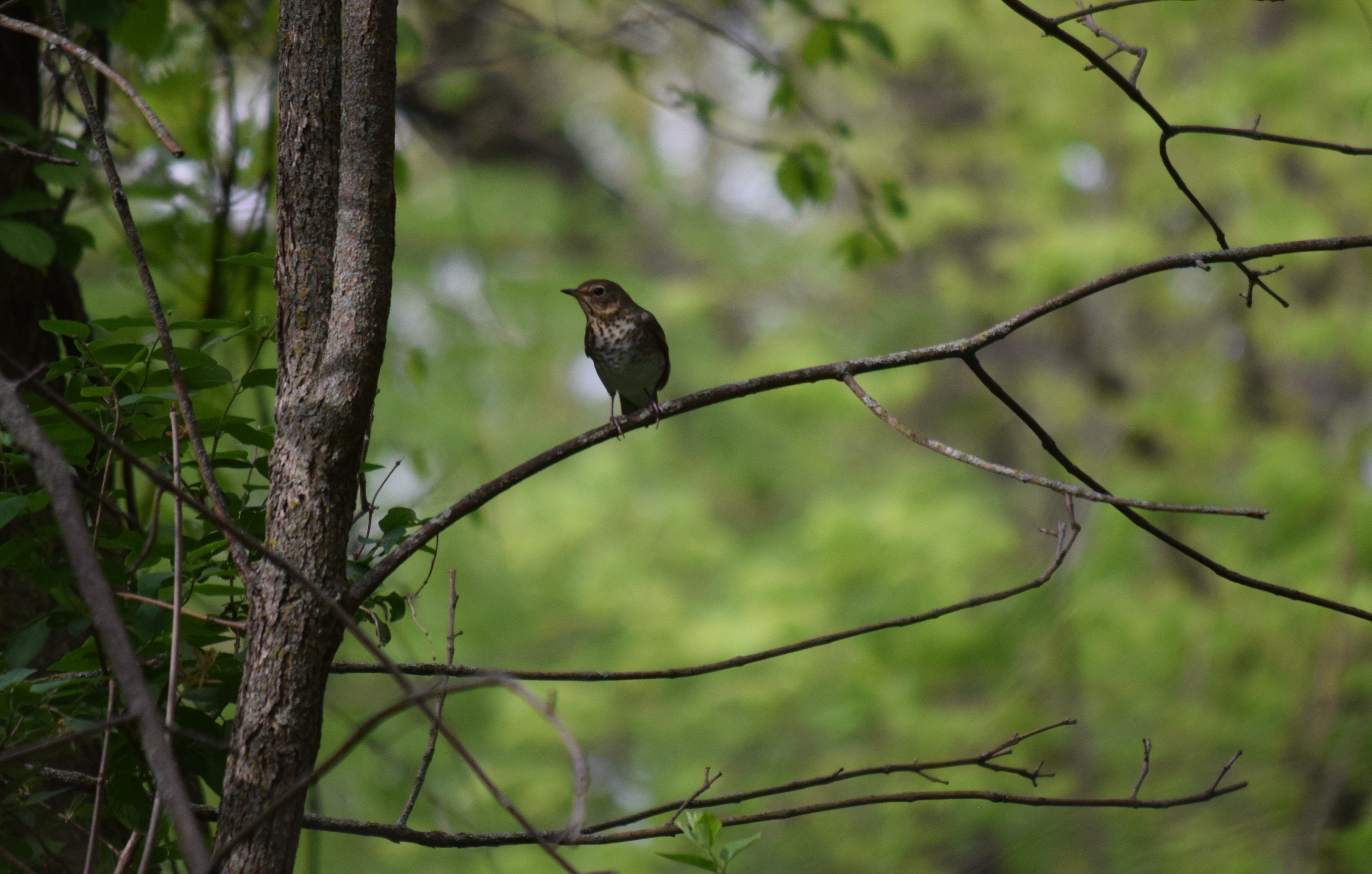
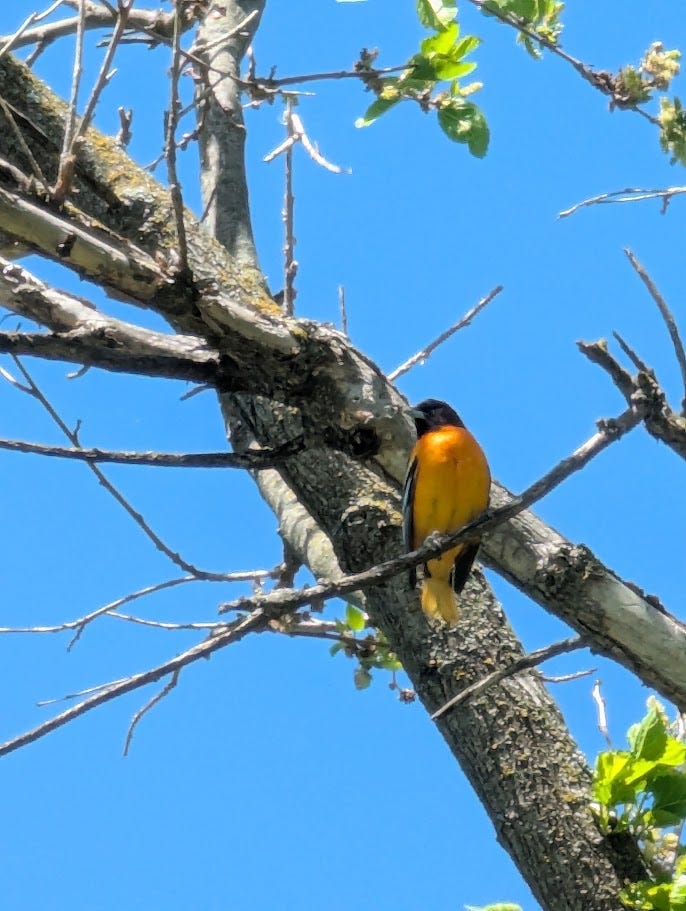
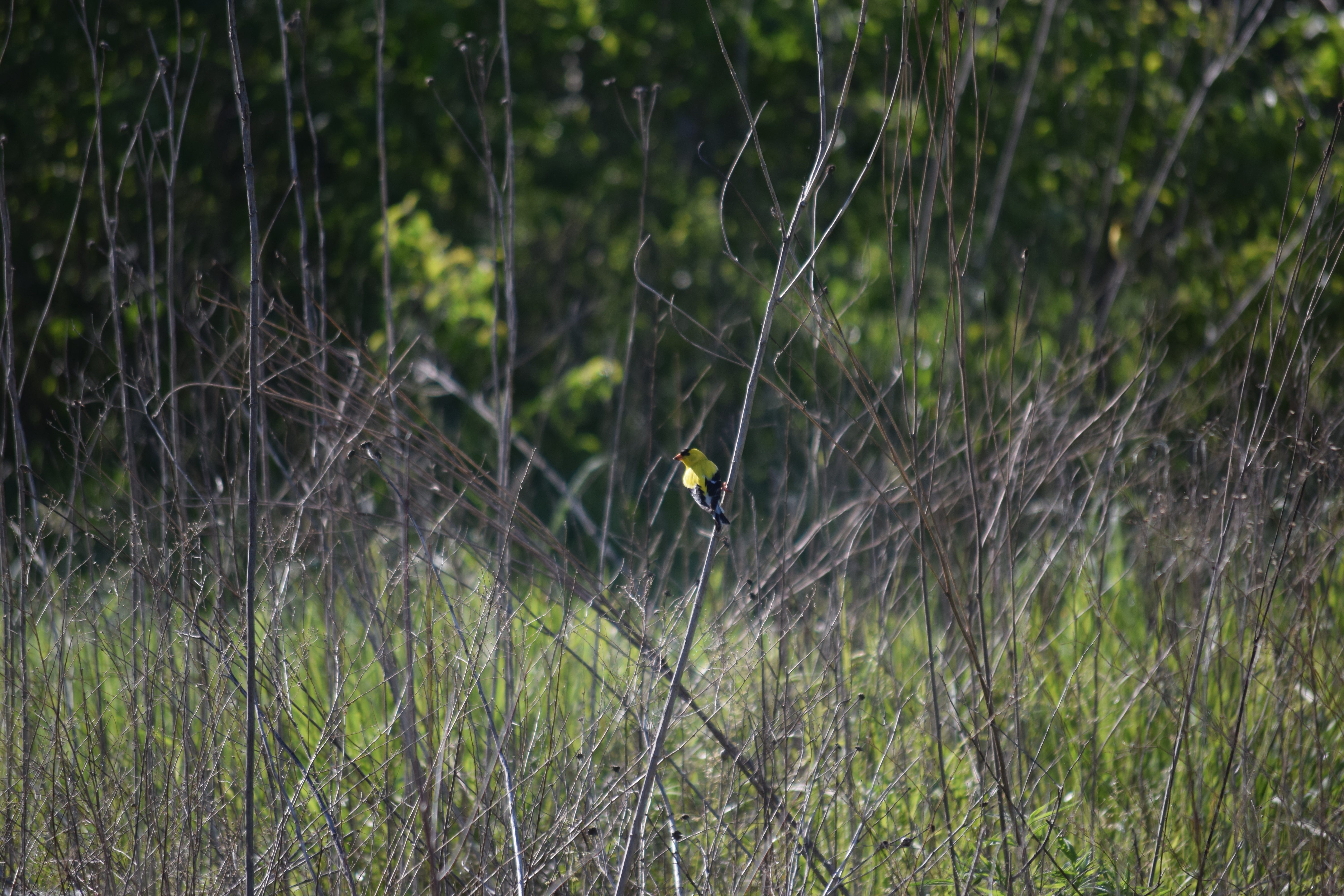
If you’ve made it this far, you’re here for the birds. To date, we’re already at a whopping 140 species, which is especially notable since our total for all of last year was 163. Recent birding adventures included a baby owl sighting, a trip to a heron and egret rookery, and the slow return of the birds that characterize a Midwestern summer.